Eco-Friendly Luxury Hotels: Sustainability and Comfort Combined
Travelers today are more conscious than ever about their environmental impact, even when seeking the utmost comfort and indulgence. The hospitality industry has responded with a wave of eco-friendly luxury hotels that promise not only world-class amenities but also a commitment to sustainable practices. Gone are the days when "green" meant sacrificing comfort; today’s eco-luxury hotels prove that sustainability and opulence can coexist harmoniously. This article explores how these pioneering properties are redefining luxury through innovative green initiatives, resource efficiency, and thoughtful guest experiences—all while maintaining the highest standards of comfort and service.
The Rise of Sustainable Luxury in Hospitality
Luxury and sustainability might once have seemed incompatible, but the past decade has seen a transformation. According to Booking.com’s 2023 Sustainable Travel Report, 76% of global travelers say they want to travel more sustainably, and 43% are willing to pay more for environmentally responsible accommodation. Leading hotel brands and boutique retreats alike are answering this call, blending eco-conscious innovations with elegant design and impeccable service.
Some of the earliest and most influential eco-luxury hotels emerged in regions with fragile ecosystems, such as the Maldives and Costa Rica. Today, however, the trend has spread worldwide. From urban sanctuaries in major cities to secluded island resorts, the sustainable luxury movement has become global, setting new benchmarks for responsible hospitality.
Green Building Design and Eco-Innovations
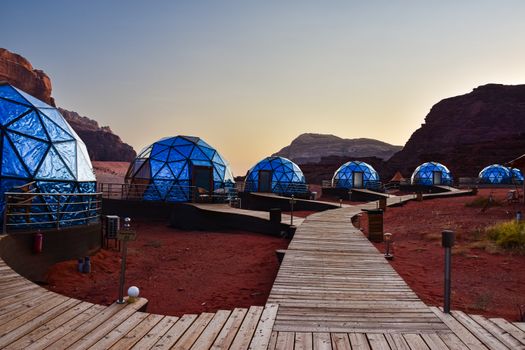
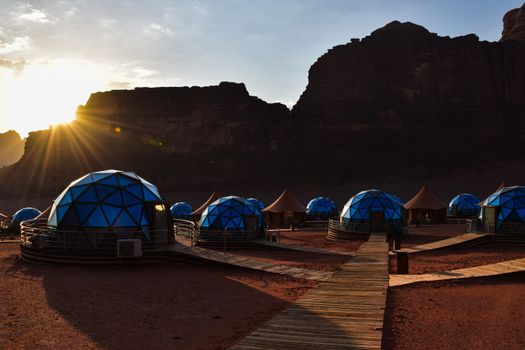
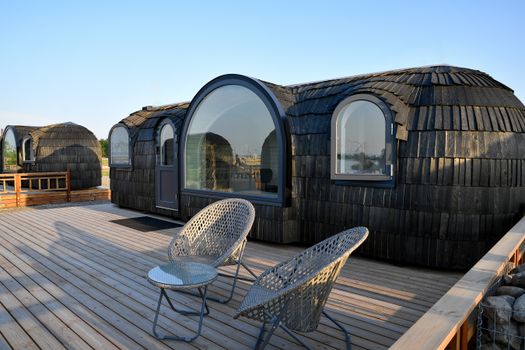
One of the most visible ways eco-friendly luxury hotels distinguish themselves is through sustainable architecture and design. These properties prioritize materials and construction techniques that minimize environmental impact without compromising on aesthetics or comfort.
For example, The Brando in French Polynesia—a favorite among celebrities—uses locally sourced materials, natural ventilation, and deep seawater air-conditioning, reducing energy use by up to 90% compared to conventional systems. Similarly, the Six Senses Zil Pasyon in the Seychelles features villas built from reclaimed wood and stone, positioned to maximize natural light and airflow, lessening the need for artificial climate control.
Many eco-luxury hotels seek certification from recognized standards such as LEED (Leadership in Energy and Environmental Design) or BREEAM (Building Research Establishment Environmental Assessment Method). As of 2023, more than 1,000 hotels worldwide have achieved LEED certification, a number that continues to grow.
Resource Efficiency: Energy, Water, and Waste
Resource management is at the heart of sustainable hospitality. Leading eco-friendly luxury hotels implement advanced technologies and practices to conserve energy, reduce water consumption, and minimize waste.
Energy: Solar panels, wind turbines, and geothermal systems are increasingly common. The Bardessono Hotel & Spa in California, for instance, is powered almost entirely by rooftop solar arrays and boasts a Platinum LEED certification. In Iceland, the ION Adventure Hotel uses geothermal energy for heating and electricity, tapping into the natural resources abundant in the region.
Water: With water scarcity affecting many destinations, luxury hotels are deploying rainwater harvesting, greywater recycling, and low-flow fixtures. Soneva Fushi in the Maldives reports saving over 300,000 liters of water annually through such systems.
Waste: Many properties aim for zero waste by composting organic material, eliminating single-use plastics, and partnering with local organizations to recycle or repurpose materials. For example, the 1 Hotel Brooklyn Bridge in New York diverts over 50% of its waste from landfills and has eliminated all single-use plastic bottles and straws.
The following table highlights how three leading eco-luxury hotels manage their resources:
| Hotel | Energy Source | Water Management | Waste Reduction |
|---|---|---|---|
| The Brando (French Polynesia) | Deep seawater cooling, solar | Rainwater harvesting, low-flow fixtures | Composting, zero single-use plastics |
| Bardessono (USA) | Solar panels (85% of energy) | Water-efficient landscaping, recycling greywater | On-site composting, recycling programs |
| Soneva Fushi (Maldives) | Solar, energy-efficient lighting | Greywater recycling, desalination plant | Organic composting, glass upcycling |
Local Sourcing and Responsible Cuisine
Food and beverage programs are a key element of the eco-luxury experience. Many leading hotels and resorts now source ingredients from local farmers, fisheries, and even on-property gardens, reducing carbon emissions associated with transportation and supporting community livelihoods.
For example, the Fogo Island Inn in Canada’s Newfoundland region sources more than 80% of its food from within 50 kilometers, showcasing local seafood, wild berries, and traditional recipes. Similarly, Six Senses resorts maintain organic gardens and prioritize seasonal, plant-forward menus.
Responsible seafood sourcing, vegetarian and vegan options, and zero-waste kitchens are also hallmarks of sustainable luxury dining. The Michelin-starred restaurant at The Datai Langkawi in Malaysia features a “no single-use plastics” policy and works with nearby fishermen to ensure seafood is harvested responsibly.
Many hotels even offer immersive culinary experiences, such as foraging walks and cooking classes, allowing guests to connect with the land and local traditions in a meaningful, memorable way.
Guest Experience: Wellness, Education, and Community Impact
Eco-friendly luxury hotels are redefining what it means to deliver exceptional guest experiences. Beyond opulent amenities, these hotels offer opportunities for wellness, learning, and direct involvement in sustainability initiatives.
Wellness: Spas and wellness centers increasingly use natural and organic products, avoid harsh chemicals, and harness local traditions. The spa at Song Saa Private Island in Cambodia uses locally sourced coconut oil and botanicals in treatments, while Anantara Golden Triangle in Thailand incorporates traditional Thai healing practices and herbal remedies.
Education: Many properties offer guided nature walks, wildlife talks, and workshops on sustainability topics. For instance, guests at the Lapa Rios Lodge in Costa Rica can join rainforest hikes led by naturalists or participate in tree-planting programs.
Community Impact: Responsible luxury hotels prioritize hiring and training local staff, supporting artisan cooperatives, and investing in community projects. The Zuri Zanzibar hotel in Tanzania allocates a portion of profits to local schools and water initiatives, while the Sumba Hospitality Foundation in Indonesia trains underprivileged youth for careers in sustainable tourism.
Technology and Innovation in Sustainable Luxury
Cutting-edge technology is helping luxury hotels further their environmental goals while enhancing guest comfort. From smart room controls to waste-to-energy systems, innovation is central to the modern eco-friendly hotel experience.
Smart Rooms: Digital thermostats, automated lighting, and occupancy sensors ensure that energy is used only when necessary. Guests can personalize their environment while the system reduces waste.
Water Purification: On-site water bottling plants, such as those at many Six Senses properties, eliminate the need for plastic bottles and provide fresh, filtered water to guests.
Digital Communication: Paperless check-in, mobile room keys, and digital guest information reduce paper use and streamline the guest experience.
Some hotels even employ artificial intelligence to optimize energy consumption or use blockchain to verify the sustainability credentials of suppliers. These advancements prove that luxury and sustainability can be achieved together through thoughtful application of technology.
The Future of Eco-Luxury Hospitality
The momentum behind eco-friendly luxury hotels shows no signs of slowing. Industry analysts predict the sustainable tourism market will reach $1.1 trillion by 2027, growing at a compound annual rate of 9.7% since 2022. As travelers increasingly demand responsible choices, luxury hotels are not only responding but leading the way in innovation and best practices.
Future trends include regenerative travel—where hotels actively restore ecosystems rather than simply minimizing harm—greater transparency through third-party certifications, and deeper community integration. As new materials, renewable energy sources, and data-driven management systems become more accessible, the potential for sustainable luxury is virtually limitless.