Glamping has surged in popularity over the past decade, offering travelers a luxurious twist on traditional camping. But beyond the plush tents and high-thread-count sheets, glamping is often touted as an eco-friendly alternative to both conventional camping and other types of accommodation. With sustainability becoming a central concern for travelers, many are asking: What are the ecological benefits of glamping compared to traditional camping?
This article explores the environmental impact of glamping versus traditional camping, looking at resource use, waste management, wildlife conservation, carbon footprint, and the broader implications for nature-based tourism.
Understanding Glamping and Traditional Camping
To compare the ecological benefits, it's important to first define what we mean by glamping and traditional camping.
Traditional camping typically involves pitching your own tent, using portable stoves, and often relying on basic public facilities. Campers are generally responsible for their own waste, water, and energy consumption.
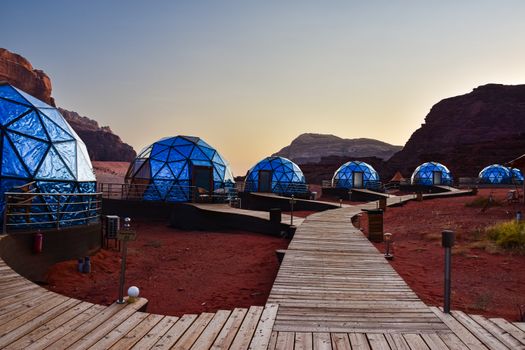
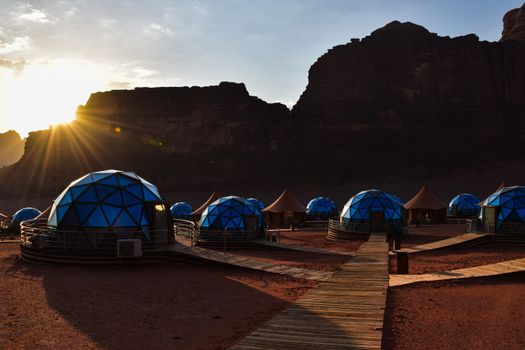
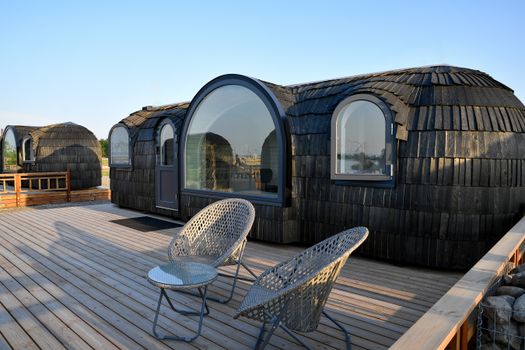
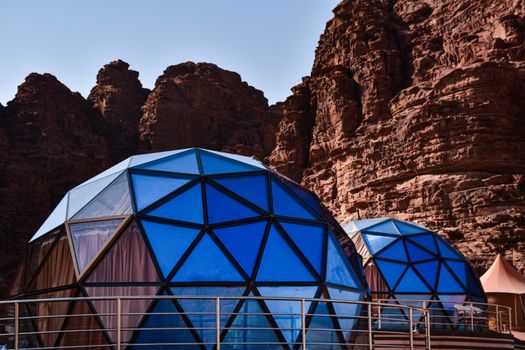
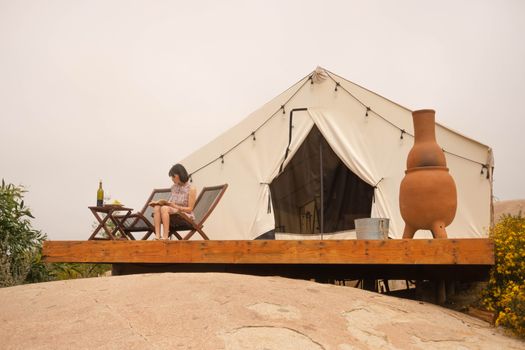
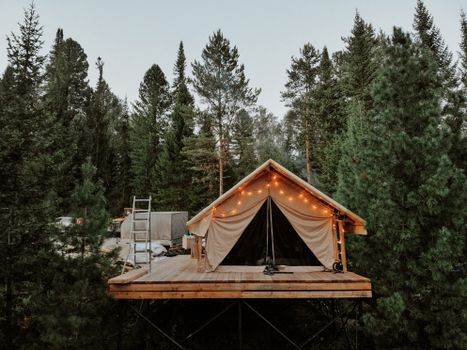
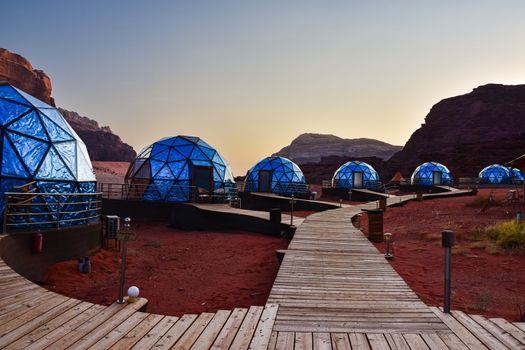
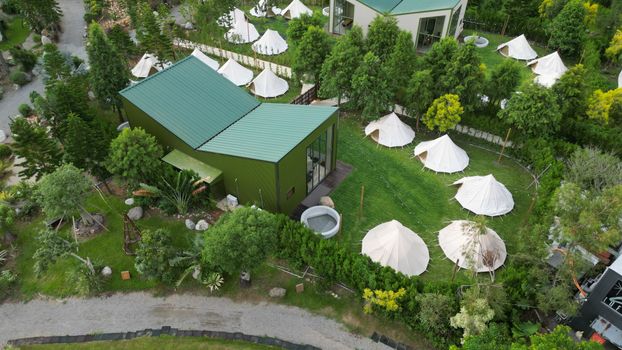
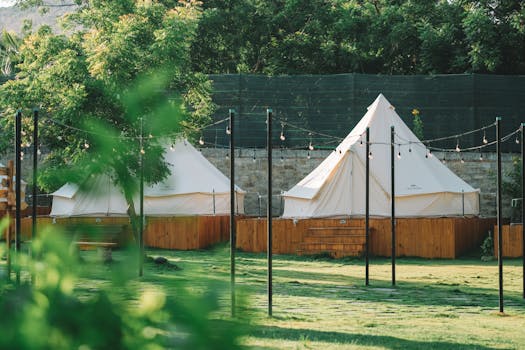
Glamping, short for "glamorous camping," provides pre-set accommodations—think safari tents, yurts, treehouses, or geodesic domes—often equipped with beds, bathrooms, and sometimes even electricity. Many glamping sites are designed with sustainability in mind, using eco-friendly materials, renewable energy, and integrated waste management systems.
Globally, the glamping market is projected to reach $5.94 billion by 2030, growing at a compound annual growth rate (CAGR) of 10.9% from 2022, according to Allied Market Research. This growth is partly fueled by eco-conscious travelers seeking nature experiences with minimal impact.
Resource Consumption: Water, Energy, and Materials
One of the most significant ecological differences between glamping and traditional camping is how each uses resources like water, energy, and building materials.
Glamping sites are often built with sustainability at their core. Many use solar panels, rainwater collection systems, composting toilets, and eco-friendly construction materials such as reclaimed wood or recycled canvas. For example, a 2021 survey by the Global Glamping Market found that over 65% of new glamping sites in Europe incorporate renewable energy or water-saving technology.
By contrast, traditional campers may bring single-use equipment, disposable cutlery, and low-quality tents that are often discarded after a few uses. According to a Keep Britain Tidy study, over 250,000 tents are left behind at UK music festivals annually—many made from non-biodegradable plastics.
However, traditional camping can be less resource-intensive if practiced thoughtfully, with minimal equipment and careful management of waste. The key ecological benefit of glamping lies in the intentional design and operation of the sites, which often surpasses the ad-hoc approach of individual campers.
Waste Management and Pollution Prevention
Waste management is a crucial environmental concern for both glamping and traditional camping.
Glamping sites usually have structured waste disposal systems, including recycling and composting. Many also use biodegradable toiletries and cleaning products. For instance, some glamping resorts in Scandinavia require all guests to use provided zero-waste kits, resulting in 40% less landfill waste compared to average camping stays.
On the other hand, traditional campers are individually responsible for their waste. While many adhere to Leave No Trace principles, studies show that improper disposal of trash, food scraps, and even human waste is still common. The National Park Service in the US reported in 2022 that 13% of all citations issued in national parks were for waste-related violations, often associated with dispersed or unmanaged campsites.
Furthermore, single-use plastics, batteries, and chemical-laden soaps brought by campers can pollute water sources if not handled properly. Glamping’s centralized approach allows for stricter ecological controls and education, reducing the risk of environmental contamination.
Impact on Wildlife and Natural Habitats
The interaction between humans and wildlife is a sensitive balance in any outdoor recreation. Both glamping and traditional camping can have effects—positive and negative—on local ecosystems.
Glamping sites are typically established in designated areas, sometimes on private land or within buffer zones of protected regions. Their permanent or semi-permanent structures mean that wildlife disturbance is minimized after the initial setup. Moreover, many glamping operators partner with conservation organizations and educate guests on respecting wildlife, contributing to habitat restoration or species monitoring projects.
A study published in the Journal of Sustainable Tourism in 2022 examined 50 glamping sites across Europe and found that 78% contributed to local conservation efforts, compared to just 12% of surveyed traditional campsites.
Traditional camping, especially when practiced outside managed campsites, can lead to trampling of vegetation, disturbance of nesting animals, and inadvertent introduction of invasive species. The transient nature of traditional camping means that new areas are constantly exposed to human activity, which can fragment sensitive habitats and stress wildlife populations.
Carbon Footprint: Travel, Accommodation, and Operations
The carbon footprint of an outdoor experience depends on various factors: how guests travel to the site, the energy used during their stay, and the overall lifecycle of the accommodations.
Glamping sites often cluster guests in centralized locations, reducing the need for extensive road networks or infrastructure. Many operate off-grid or use renewable energy, significantly lowering their operational emissions. For example, the luxury glamping company Eco Retreats in Wales claims their site produces 70% less carbon emissions per guest night compared to conventional hotels.
Traditional camping, while potentially low-impact, can carry a higher carbon footprint if campers drive long distances with heavy gear or use disposable products. However, minimalist campers who hike or bike to their site, use no electricity, and pack out all waste may have the smallest carbon footprint of all.
The table below compares the average carbon emissions per guest night for different accommodation types:
| Accommodation Type | Average Carbon Emissions (kg CO2e/guest night) |
|---|---|
| Luxury Hotel | 24.0 |
| Glamping Site (Eco-certified) | 8.5 |
| Traditional Camping (Managed Site) | 4.2 |
| Minimalist Wild Camping | 2.1 |
These figures, sourced from the Carbon Trust and industry reports, highlight that while glamping is more eco-friendly than many hotels, low-impact camping can be even greener—though it requires personal discipline and knowledge.
Long-Term Sustainability and Education
One of the often-overlooked ecological benefits of glamping is its role in environmental education and long-term sustainability.
Many glamping operators integrate sustainability into the guest experience, offering workshops on local ecology, renewable energy, or sustainable food. According to a 2023 report by the European Glamping Association, 64% of glamping sites surveyed provided some form of environmental education, compared to less than 20% of traditional campsites.
Additionally, the higher price point and curated experience of glamping attract travelers who are willing to pay for sustainability. This economic incentive supports ongoing conservation efforts, staff training, and investment in green technologies. In contrast, low-cost traditional camping often operates on thin margins, making it harder to invest in environmental upgrades.
Glamping also appeals to people who might not otherwise try camping, broadening support for nature conservation among more diverse groups. By making outdoor experiences more accessible and enjoyable, glamping can foster a lifelong appreciation for the natural world.
Final Thoughts on the Ecological Benefits of Glamping
Glamping and traditional camping both offer unique ways to connect with nature, but their ecological footprints can differ significantly.
Glamping’s main environmental advantages come from intentional site design, efficient resource use, centralized waste management, and guest education. These factors allow glamping to outperform traditional camping in many sustainability metrics, especially when compared to poorly managed or high-impact campsites.
However, the greenest option remains minimalist, low-impact camping—if done with proper knowledge and respect for nature. For travelers seeking comfort and ecological responsibility, eco-certified glamping presents a compelling middle ground, combining luxury with sustainability.
As the travel industry evolves, both glamping and traditional camping must continue raising the bar for environmental stewardship, ensuring that future generations can enjoy the wild places we cherish today.