Luxury Cruises: The Floating Palaces of Europe
Europe’s rivers and coastlines have long been the playground of royalty, aristocrats, and discerning travelers. Today, luxury cruises have elevated this heritage, transforming ships into floating palaces that glide past iconic cities, sun-drenched islands, and storybook landscapes. These magnificent vessels boast amenities that rival the world’s finest hotels, offering guests not just a voyage, but an immersive experience of European elegance, history, and culture. From the gilded salons of the Danube to the sunlit decks of the Mediterranean, luxury cruises are redefining travel as both an art and a privilege.
The Allure of European Luxury Cruising
What sets luxury cruises in Europe apart from conventional travel? First, it’s the fusion of opulence and access: guests are pampered with impeccable service, gourmet cuisine, and lavish accommodations, all while waking each morning to new, breathtaking vistas. Unlike traditional hotels, these ships glide through ever-changing scenery—one day docking in the heart of Venice, the next anchoring near the vineyards of Bordeaux.
Luxury cruise lines such as Silversea, Seabourn, and Regent Seven Seas have set the global standard for all-inclusive elegance. According to the Cruise Lines International Association (CLIA), the European cruise market welcomed over 7 million passengers in 2023, with luxury segments growing at a steady 8% annually. This surge is fueled by travelers seeking curated experiences—wine tastings in Provence, private tours of the Hermitage in St. Petersburg, or exclusive concerts in Vienna’s historic halls.
Moreover, the scale of luxury ships is intentionally intimate. Most accommodate between 100 and 700 guests, ensuring personalized service and a sense of exclusivity that larger liners cannot match. The average staff-to-guest ratio on luxury cruises is 1:1.5, meaning nearly every need is anticipated—be it a pillow menu, a late-night caviar snack, or a private shore excursion.
Iconic European Routes: From the Danube to the Dalmatian Coast
Europe’s geography is uniquely suited to cruising, with its intricate network of rivers, storied coastlines, and ancient ports. Each region offers its own flavor of luxury and discovery.
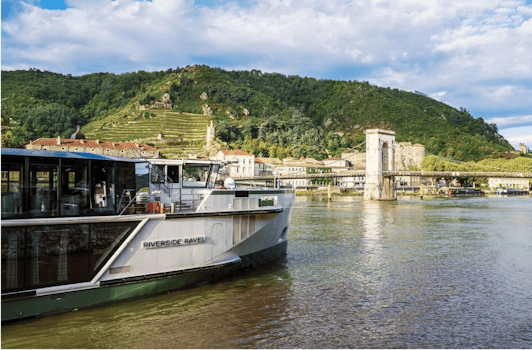
Danube River Cruises: Flowing through 10 countries, the Danube is Europe’s second-longest river and a favorite for those seeking culture and grandeur. Passengers on ships like Uniworld’s S.S. Maria Theresa glide past baroque palaces in Vienna, medieval towns in Germany, and the dramatic Iron Gates gorge bordering Serbia and Romania. The Danube’s popularity is reflected in numbers: over 500,000 guests embarked on Danube cruises in 2023, according to Statista.
Mediterranean Cruises: The sun-kissed Mediterranean remains the gold standard for luxury cruises, with itineraries that include stops in the French Riviera, the Greek Isles, and the Amalfi Coast. Yachts like SeaDream I and II offer an ultra-exclusive experience, carrying just 112 guests and anchoring in harbors inaccessible to larger ships. Highlights include private dinners in Dubrovnik’s city walls and after-hours tours of Barcelona’s Sagrada Familia.
Baltic Sea Voyages: The Baltic’s regal cities—Stockholm, St. Petersburg, Helsinki—are best explored by sea. Regent Seven Seas Explorer, dubbed “the most luxurious ship ever built,” offers suites with private balconies, a $7-million art collection, and shore excursions like a backstage visit to the Mariinsky Theatre. The region’s long summer days and white nights add a magical dimension to these journeys.
Onboard Luxury: Suites, Cuisine, and Service Beyond Compare
The essence of a luxury cruise is the onboard experience. Modern ships are designed as floating five-star hotels, blending classic European style with contemporary comfort.
Accommodations: Suites are typically spacious, with marble bathrooms, walk-in closets, and private verandas. For example, the Owner’s Suite on Seabourn Encore measures 1,291 square feet and includes a glass-enclosed solarium. Many ships offer butler service—an amenity once reserved for royal households—catering to every personal preference.
Dining: Culinary excellence is a hallmark of luxury cruising. Michelin-starred chefs like Thomas Keller (Seabourn) and Nobu Matsuhisa (Crystal Cruises) curate menus that rival the finest restaurants ashore. Guests enjoy open-seating dining, 24-hour room service, and wine cellars stocked with rare vintages. In 2022, Silversea reported that 96% of guests rated their onboard dining experience as “outstanding.”
Wellness & Leisure: Spas on luxury ships feature treatments using renowned European brands such as Espa and La Prairie, while fitness centers overlook the sea. Enrichment programs—think lectures by art historians or cooking classes with local chefs—add intellectual depth to each voyage.
Exclusive Experiences: Shore Excursions and Insider Access
The true magic of a luxury European cruise lies in the curated shore experiences that go far beyond standard sightseeing.
Private Tours: Guests might explore the Vatican Museums before opening hours, enjoy a wine blending session in Bordeaux, or take a helicopter ride over Norwegian fjords. A 2023 Virtuoso survey revealed that 78% of luxury cruisers cite unique shore excursions as their top reason for choosing high-end lines.
Cultural Immersion: Ships often collaborate with local artists, musicians, and chefs for onboard performances and workshops. For example, on a Baltic cruise, guests might enjoy a private recital by members of the Mariinsky Orchestra, or participate in Venetian mask-making classes.
Sustainability & Philanthropy: Many luxury lines have embraced responsible tourism—Silversea’s “Green Initiatives” include partnerships with UNESCO and local communities, while Ponant offers eco-conscious expeditions to protected sites, limiting guest numbers to preserve fragile environments.
Comparing Europe’s Top Luxury Cruise Lines
Choosing the right cruise line depends on your preferences—intimate river journeys, glamorous sailing yachts, or all-suite ocean liners. Below is a comparison of Europe’s leading luxury cruise lines:
| Cruise Line | Ship Size (Guests) | Staff-to-Guest Ratio | Signature Feature | Sample Itineraries |
|---|---|---|---|---|
| Silversea | 100-600 | 1:1.3 | All-suite ships, butler service | Venice to Athens, Bordeaux to Lisbon |
| Seabourn | 450-600 | 1:1.5 | Gourmet dining by Thomas Keller | Greek Isles, Norwegian Fjords |
| Regent Seven Seas | 490-750 | 1:1.5 | All-inclusive luxury, unlimited excursions | Baltic Capitals, Western Mediterranean |
| Crystal Cruises | 62-980 | 1:1.7 | Specialty dining by Nobu, enrichment programs | British Isles, Black Sea |
| Uniworld | 120-160 | 1:2 | Boutique river ships, lavish décor | Danube, Rhine, Seine |
Who Sails Europe’s Floating Palaces?
Luxury European cruises attract a diverse but discerning clientele. According to a 2023 Cruise Critic survey, the average age of luxury cruise guests is 55, with a growing segment of younger professionals and multigenerational families. Nearly 60% of passengers hail from North America, while Europeans make up 30%, and the remainder come from Asia and Australia.
What unites these travelers is a desire for meaningful experiences, privacy, and comfort. Many are seasoned explorers who have already visited Europe by land but now crave a new perspective—one that offers both convenience and depth. Luxury cruise lines also cater to solo travelers and couples, with special events like onboard wine tastings, guest lectures, and gala evenings fostering a convivial yet exclusive atmosphere.
The Value of a Luxury Cruise: More Than Just a Voyage
While luxury cruises represent a significant investment—fares can range from $600 to $2,500 per person per night—they also offer exceptional value. Virtually everything is included: gourmet dining, premium spirits, shore excursions, gratuities, and even airfare on select lines. This all-inclusive approach allows guests to fully immerse themselves in the experience without worrying about hidden costs.
A 2022 report by Condé Nast Traveler found that 89% of luxury cruise guests rated their overall satisfaction as “excellent,” citing seamless logistics, unique itineraries, and the ability to unpack just once as major advantages. Moreover, as competition in the market intensifies, cruise lines are adding ever more lavish touches—from penthouse suites with grand pianos to private marina platforms for water sports.
Final Reflections: The Enduring Magic of Europe’s Luxury Cruises
Luxury cruises in Europe are more than just vacations—they are journeys into the heart of the continent’s artistry, history, and joie de vivre. Aboard these floating palaces, guests enjoy a rare blend of sophisticated comfort and authentic discovery. Whether gliding past the castles of the Rhine, savoring Provençal cuisine at sea, or reveling in the midnight sun above the Arctic Circle, travelers are treated not as passengers, but as honored guests.
In a fast-paced world, the unhurried rhythm of a luxury cruise offers a unique sanctuary—a place to reconnect with beauty, culture, and oneself. As European luxury cruising continues to evolve, it remains a symbol of timeless elegance and the ultimate way to explore the treasures of the Old World.