Sustainable Luxury: Eco-Friendly Hotels in Europe
Sustainable luxury may sound like a contradiction, but in recent years it has become a defining trend for the European hospitality industry. Discerning travelers are increasingly seeking five-star experiences that do not come at the planet’s expense. Europe, with its rich history, diverse cultures, and progressive environmental policies, is leading the way in eco-friendly luxury hospitality. From alpine retreats powered by renewable energy to urban sanctuaries that champion biodiversity, eco-luxury hotels are proving that comfort, exclusivity, and responsibility can coexist.
This article explores the rise of sustainable luxury in Europe, highlighting the practices, innovations, and destinations that are setting new standards in green hospitality. Whether you are an eco-conscious traveler or simply curious about the future of luxury travel, discover how Europe’s top hotels are redefining indulgence for a better world.
The Evolution of Eco-Friendly Luxury Hotels in Europe
The concept of eco-friendly hotels has evolved dramatically over the past decade. While early efforts often focused on basic measures like towel reuse and low-flow showers, today’s sustainable luxury hotels have adopted a holistic approach. According to the European Travel Commission, over 40% of European travelers now consider sustainability when booking hotels, and the luxury segment is responding with bold innovations.
Modern eco-luxury hotels go far beyond the basics: - Many achieve international certifications such as Green Globe, LEED, or EarthCheck. - Some, like the Ion Adventure Hotel in Iceland, run entirely on geothermal and hydroelectric power. - Others, such as the Forestis Dolomites in Italy, are constructed with locally sourced wood and stone, blending seamlessly into their natural surroundings.A 2023 study by Booking.com found that 76% of global travelers want to travel more sustainably, with 43% willing to pay more for eco-friendly accommodations. In Europe, this trend is particularly pronounced, driving both new hotel openings and the retrofitting of established properties.
Key Sustainability Practices in Europe’s Luxury Hotels
What sets Europe’s eco-conscious luxury hotels apart is their commitment to comprehensive and often innovative sustainability practices. Here are some of the most impactful actions adopted by top-tier properties:
1. $1 - For example, the Whitepod Eco-Luxury Hotel in Switzerland operates on 100% renewable energy and uses wood pellet heating systems that reduce CO2 emissions by 90% compared to conventional heating. 2. $1 - The Vila Vita Parc in Portugal has implemented a rainwater harvesting system that supplies irrigation for its extensive gardens and golf course, saving an estimated 5 million liters of water annually. 3. $1 - At the Bio-Hotel Stanglwirt in Austria, 80% of the ingredients used in their restaurants are sourced from within a 50-kilometer radius, supporting local farmers and minimizing food miles. 4. $1 - Some hotels have adopted on-site composting and zero-waste kitchens, while others, like the Six Senses Douro Valley in Portugal, operate their own organic gardens and use refillable amenities in guest rooms. 5. $1 - The Lefay Resort & SPA Lago di Garda in Italy has restored 11 hectares of former farmland to native forest, supporting local wildlife and contributing to carbon sequestration.Top Eco-Friendly Luxury Hotel Destinations in Europe
Europe offers a wealth of eco-luxury experiences, from the wilds of Scandinavia to the sun-drenched Mediterranean coast. Here are some standout destinations and properties:
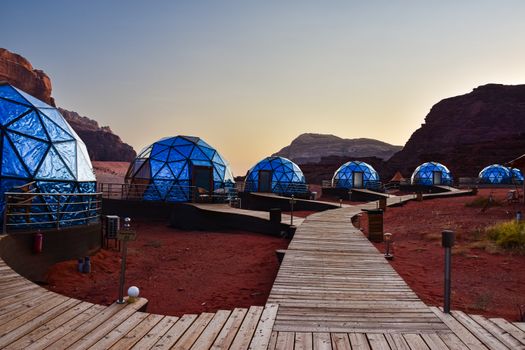
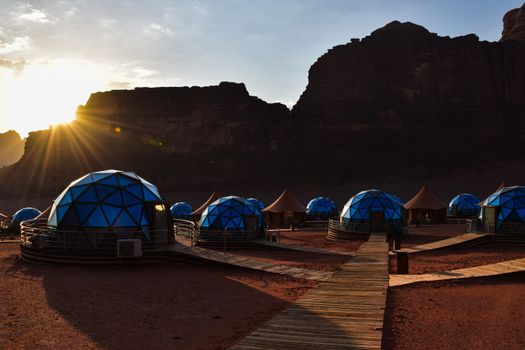
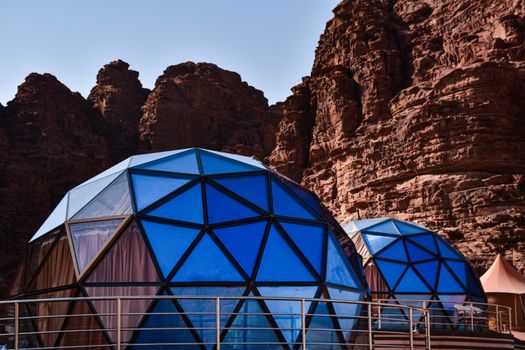
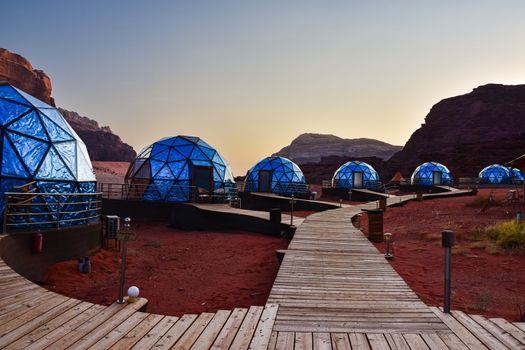
1. $1 - Located near Thingvellir National Park, Ion harnesses Iceland’s abundant geothermal energy and is built with recycled materials. The hotel offers guided eco-tours, including Northern Lights expeditions with a low environmental footprint. 2. $1 - Nestled in the Swiss Alps, Whitepod features geodesic domes with minimal impact on the landscape. The hotel limits energy usage via wood-burning stoves and encourages guests to arrive on foot or by electric vehicle. 3. $1 - Set in a UNESCO World Heritage site, this hotel is a leader in sustainable luxury. It focuses on organic farming, renewable energy, and community engagement, offering guests the chance to participate in tree-planting and sustainability workshops. 4. $1 - Built primarily from local larch, spruce, and stone, Forestis exemplifies biophilic design. The hotel’s wellness programs draw on local traditions and natural resources, and it supports reforestation efforts in the Dolomite region. 5. $1 - Known for its luxurious spa and eco-friendly ethos, Stanglwirt’s commitment to sustainability includes natural swimming ponds, a biogas plant, and the use of renewable building materials.Comparing Sustainable Luxury: Top European Eco-Hotels
For travelers who want to make informed choices, it’s helpful to compare some of Europe’s leading eco-luxury hotels. The table below highlights their key sustainability features, awards, and unique offerings.
| Hotel | Country | Key Sustainability Features | Certifications/Awards | Unique Experience |
|---|---|---|---|---|
| Ion Adventure Hotel | Iceland | 100% geothermal energy, recycled materials | Green Globe Certified | Northern Lights tours, eco-adventures |
| Whitepod Eco-Luxury Hotel | Switzerland | Renewable energy, geodesic pods, minimal land impact | World Travel Awards: Europe's Leading Green Hotel | Alpine hiking, dog sledding, eco-activities |
| Six Senses Douro Valley | Portugal | Organic gardens, renewable energy, community projects | EarthCheck Certified | Wine tours, sustainability workshops |
| Forestis Dolomites | Italy | Local materials, reforestation, biophilic design | LEED Gold | Forest wellness, Dolomite views |
| Bio-Hotel Stanglwirt | Austria | Biogas plant, local sourcing, natural pools | EU Ecolabel | Luxury spa, traditional Tyrolean hospitality |
The Impact of Sustainable Luxury on Local Communities
Eco-friendly luxury hotels in Europe are not just reducing their environmental footprint—they are also making a positive impact on local communities. This approach is sometimes called “regenerative hospitality,” where hotels actively contribute to the social, cultural, and economic well-being of the places they call home.
A few key statistics illustrate this impact: - According to the Global Sustainable Tourism Council, 65% of sustainable hotels in Europe engage in local employment and fair wage practices. - The Six Senses Douro Valley partners with over 20 local farmers and artisans, supporting regional agriculture and craftsmanship. - At Stanglwirt in Austria, the hotel’s apprenticeship program trains over 30 young people each year in eco-friendly hospitality practices.Hotels often offer guests authentic experiences, such as foraging excursions, cooking classes with local chefs, or craft workshops, so travelers can connect deeply with the destination. By prioritizing local hiring, sourcing, and community engagement, sustainable luxury hotels help ensure that tourism benefits everyone—not just the visitors.
How to Choose an Eco-Friendly Luxury Hotel in Europe
With the growing number of “green” claims in the travel industry, it’s important for travelers to look beyond buzzwords and evaluate hotels based on genuine sustainability credentials. Here’s what to look for:
1. $1 Reputable third-party certifications such as Green Globe, EarthCheck, or the EU Ecolabel indicate credible sustainability efforts. 2. $1 The best hotels publish detailed sustainability reports or webpages outlining their environmental and social initiatives. 3. $1 Look for information about local sourcing, fair employment, and community partnerships. 4. $1 Energy, water, and waste management practices should be clearly described. 5. $1 Many top eco-luxury hotels offer guests the chance to participate in sustainability efforts, from tree planting to wildlife conservation tours. 6. $1 Hotels that use local, recycled, or renewable materials and prioritize natural settings are often more sustainable.By considering these factors, travelers can choose accommodations that align with their values—without sacrificing comfort or style.
What the Future Holds for Sustainable Luxury in Europe
The demand for eco-friendly luxury hotels is only expected to grow. According to the World Travel & Tourism Council, the European sustainable tourism market is projected to expand by 12% annually through 2030. Leading hotel brands are investing in innovative technologies such as solar glass, water recycling systems, and carbon-neutral construction.
Moreover, travelers’ expectations are evolving. Guests increasingly want immersive, meaningful experiences that connect them with both nature and the local culture. For the luxury segment, the future will not just be about offering sustainable amenities, but about creating a sense of purpose and place.
From the windswept coasts of Portugal to the snow-capped peaks of Switzerland, sustainable luxury is redefining what it means to travel well—and travel wisely—in Europe.