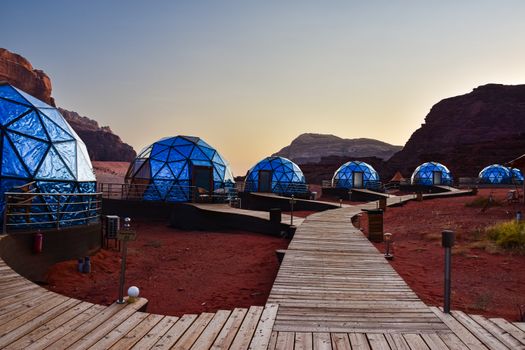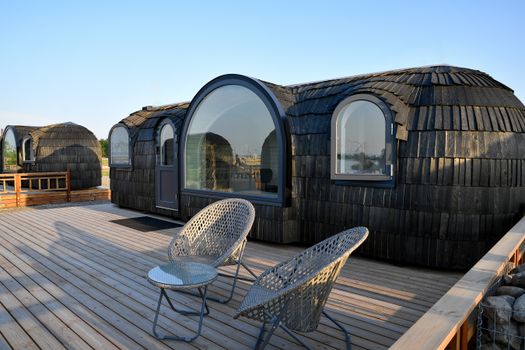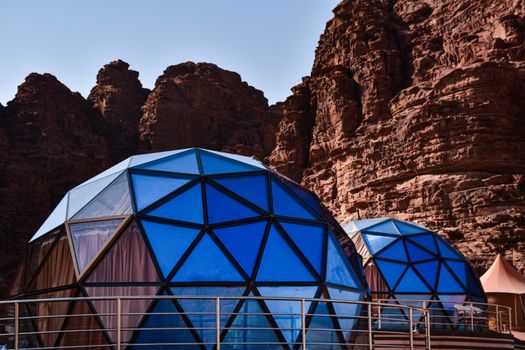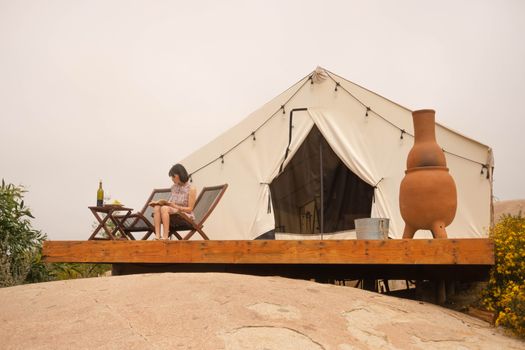
Luxury travel has always been synonymous with exclusivity, comfort, and extraordinary experiences. However, as the 21st century unfolds, the very definition of luxury travel is being rewritten. No longer confined to lavish hotels and first-class flights, today’s luxury travelers seek personalization, sustainability, digital integration, and authentic cultural immersion. This transformation has been accelerated by technology, global wealth shifts, and evolving traveler values, creating a new era in high-end tourism. In this article, we explore how luxury travel has evolved in the 21st century, the factors driving its transformation, and what discerning travelers now expect from their journeys.
The Shifting Meaning of Luxury in Modern Travel
Luxury travel in the early 2000s was heavily associated with tangible opulence: five-star hotels, private jets, and Michelin-starred dining. Yet, by 2024, the concept of luxury has become deeply personal and experiential. According to a 2022 Virtuoso survey, 80% of luxury travelers now prioritize experiences over material possessions when planning vacations.
This evolution is driven by a desire for enrichment, exclusivity, and authenticity. Today’s affluent travelers often seek secluded destinations, tailor-made itineraries, and one-of-a-kind adventures that go beyond conventional notions of luxury. For example, instead of simply booking a suite in Paris, a modern luxury traveler might opt for a private after-hours tour of the Louvre or a curated culinary journey with a local chef.
The rise of “transformational travel” exemplifies this trend. Luxury is increasingly defined by personal growth, emotional connections, and moments that leave a lasting impact. As a result, travel brands are pivoting to offer customized, meaningful, and immersive experiences that cater to individual desires and values.
Technology’s Influence: Digitalization and Personalization
The digital revolution has drastically transformed the luxury travel landscape. From AI-powered travel planning to real-time concierge services, technology has made exclusive experiences more accessible and seamless than ever before.
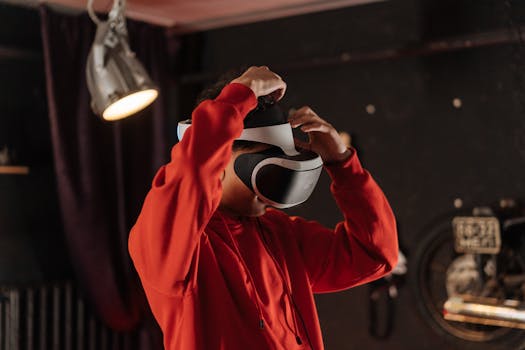
In 2023, 67% of luxury travelers reported using mobile apps for booking and managing their trips, according to the Global Luxury Travel Market Report. High-end travel agencies now offer virtual reality previews of resorts, AI-driven itinerary suggestions, and chat-based concierge services available 24/7. Wearable devices and smart luggage further enhance convenience, allowing travelers to track their belongings and monitor their health on the go.
Digitalization also enables hyper-personalization. Machine learning algorithms analyze travelers’ preferences, previous trips, and even social media activity to craft bespoke journeys. For example, Four Seasons’ “Chat” app allows guests to request amenities, book spa appointments, or arrange excursions at any hour, with staff responding in over 100 languages.
This seamless integration of technology ensures privacy, security, and an effortless experience, all of which are essential to today’s luxury travelers. As digital tools become more sophisticated, the ability to anticipate and fulfill individual desires in real time sets new standards for the industry.
Eco-Conscious Luxury: Sustainability Takes Center Stage
Sustainability has emerged as a cornerstone of 21st-century luxury travel. Affluent travelers are increasingly aware of their environmental impact and demand eco-friendly options without compromising comfort or exclusivity.
According to a 2023 Booking.com survey, 74% of luxury travelers seek sustainable accommodation, while 52% are willing to pay more for environmentally responsible experiences. Leading hotels and tour operators have responded by implementing green initiatives, such as carbon-neutral stays, renewable energy use, and plastic reduction.
Some notable examples include:
- The Brando in French Polynesia, which runs on 100% renewable energy and offers sustainable gourmet dining. - The Six Senses brand, renowned for its eco-conscious practices, such as organic gardens and zero-waste policies. - Abercrombie & Kent’s carbon-neutral safaris and wildlife conservation partnerships in Africa.The demand for responsible travel extends to transportation, with private jet companies like VistaJet offering carbon offset programs and sustainable aviation fuel options.
Sustainability is not limited to the environment. Social responsibility—such as supporting local communities and preserving cultural heritage—has become equally important. Luxury travel now often involves philanthropic initiatives, from funding education in developing regions to participating in wildlife conservation projects.
Experiential and Transformational Journeys: Beyond the Ordinary
In the 21st century, luxury travel is defined less by extravagance and more by the uniqueness and depth of experience. The modern luxury traveler craves journeys that are personalized, adventurous, and transformative.
Experiential travel includes activities such as:
- Private access to UNESCO World Heritage sites, like an after-hours tour of the Vatican Museums. - Culinary expeditions led by renowned chefs, such as truffle hunting in Italy or sake brewing in Japan. - Immersive cultural exchanges, like spending a day with Maasai tribes in Kenya or taking part in traditional tea ceremonies in Kyoto.Transformational travel goes a step further, focusing on self-discovery, wellness, and meaningful connections. Luxury wellness retreats—such as SHA Wellness Clinic in Spain or Amanpuri in Thailand—offer holistic health programs, mindfulness workshops, and personalized healing treatments. According to the Global Wellness Institute, the wellness tourism market reached $819 billion in 2022, with luxury travelers driving much of the growth.
This shift toward meaningful travel experiences reflects a broader societal trend: the pursuit of purpose, connection, and personal fulfillment, even while indulging in luxury.
Global Wealth Shifts and the Rise of New Luxury Travelers
The profile of luxury travelers has changed significantly in the 21st century. While traditional markets like North America and Western Europe remain important, emerging economies are driving much of the sector’s growth.
China, for instance, has become the world’s largest outbound luxury travel market. In 2019, Chinese travelers accounted for over $278 billion in international travel spending, according to the United Nations World Tourism Organization (UNWTO). The Middle East, India, and Southeast Asia are also contributing new affluent travelers with distinct tastes and expectations.
This diversification has led to more inclusive and globally-minded luxury travel offerings. Multilingual staff, culturally tailored experiences, and sensitivity to religious and dietary requirements are now standard at top-tier hotels and resorts.
The following table provides a snapshot of key luxury travel markets and their estimated spending in 2023:
| Region | Estimated Luxury Travel Spending (USD, 2023) | Key Preferences |
|---|---|---|
| China | $310 billion | Shopping, exclusive experiences, privacy |
| United States | $190 billion | Personalization, wellness, sustainability |
| Middle East | $65 billion | Family travel, privacy, cultural authenticity |
| Europe | $150 billion | Cultural immersion, gastronomy, heritage |
As wealth continues to spread globally, luxury travel providers must cater to a wider range of preferences and cultural expectations, requiring flexibility and innovation.
The Role of Privacy and Security in Redefining Luxury
As high-net-worth individuals increasingly value discretion and safety, privacy and security have become critical elements of luxury travel. The global pandemic accelerated the demand for private accommodations, exclusive-use villas, and personalized health protocols.
A 2021 report by Knight Frank found that 56% of ultra-high-net-worth individuals (UHNWIs) prioritized privacy above all else when selecting travel services. Private jet charters, secluded island resorts, and buyouts of boutique hotels allow travelers to minimize risk and maximize exclusivity.
Enhanced security measures, such as biometric check-ins and dedicated security staff, are now commonplace at luxury properties. Some travel agencies offer “invisible security”—discreet, unobtrusive protection for VIP clients.
The ability to offer peace of mind, alongside comfort and indulgence, is now a hallmark of top-tier luxury travel companies.
The Future of Luxury Travel: Anticipating New Trends
Looking ahead, luxury travel will continue to evolve in response to technology, sustainability, and shifting consumer values. Some emerging trends include:
- Space tourism: Companies like SpaceX and Blue Origin are paving the way for high-end space travel, with ticket prices currently exceeding $250,000 per seat. - Ultra-personalized health and wellness: DNA-based diet plans, longevity clinics, and bespoke fitness programs will become mainstream among luxury travelers. - Virtual and hybrid experiences: Luxury brands are offering “phygital” journeys that blend digital and physical elements—for example, virtual previews of destinations or interactive online masterclasses with world-renowned experts.The definition of luxury will remain fluid, shaped by social, technological, and environmental forces. One thing is certain: the 21st-century luxury traveler seeks not just comfort and beauty, but meaning, connection, and a legacy that respects both people and the planet.
Final Reflections on the Evolution of Luxury Travel
The 21st century has ushered in a new era of luxury travel—one that is defined by personalization, sustainability, technology, and transformative experiences. Affluent travelers are no longer satisfied with traditional notions of luxury; they crave journeys that resonate on a personal and ethical level. As the industry adapts to these demands, travelers can look forward to ever more innovative, responsible, and enriching experiences. The evolution of luxury travel is ongoing, and its future promises to be as dynamic and diverse as the world itself.