The Latest Trends in Glamping Tent Design and Their Impact on the Experience
Glamping—short for glamorous camping—has transformed from a quirky travel trend into a booming global industry. As travelers increasingly seek out comfort, sustainability, and unique experiences in the great outdoors, the humble tent has undergone a remarkable evolution. Today’s glamping tents are not just places to sleep; they’re immersive sanctuaries designed to elevate every aspect of outdoor living. This article explores the latest trends in glamping tent design and examines how these innovations are reshaping the guest experience.
Evolution of Glamping Tents: From Basic Shelter to Bespoke Retreats
The earliest glamping setups were often little more than canvas tents with added beds and some homey touches. However, rapid growth in the sector—worth over $2.35 billion globally as of 2023, according to Grand View Research—has fueled a wave of creativity in tent design. The modern glamping tent is a far cry from its utilitarian ancestor.
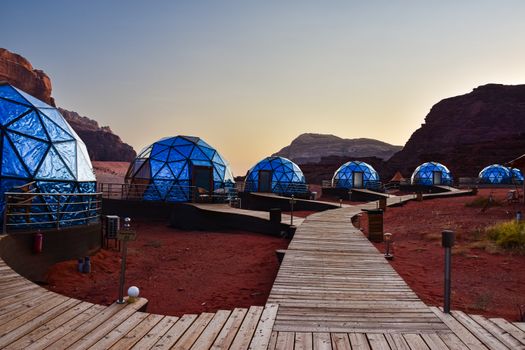
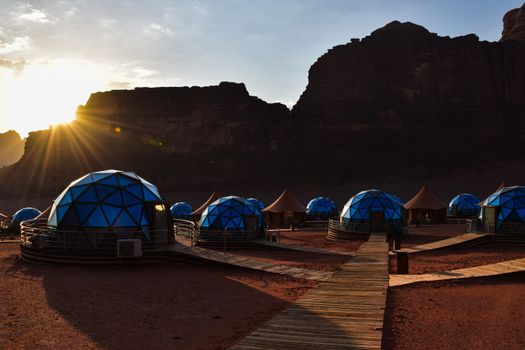
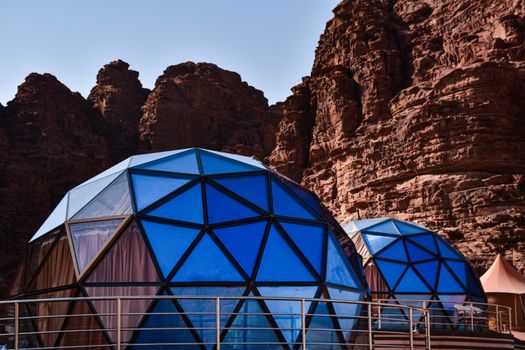
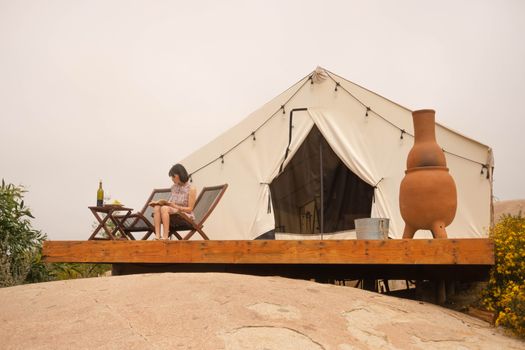
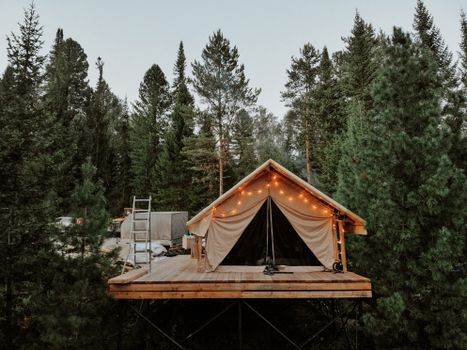
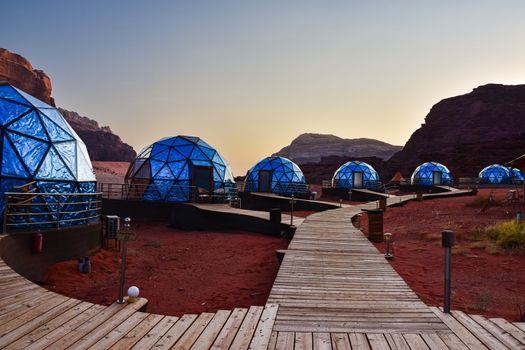
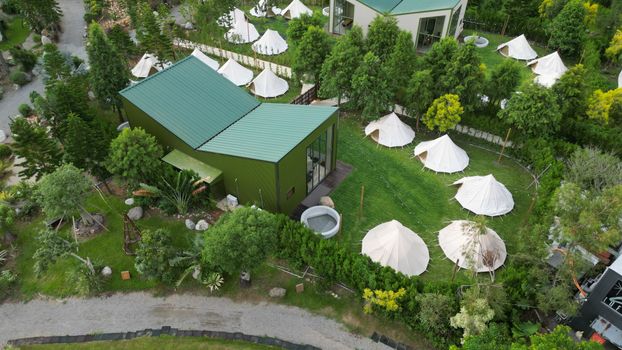
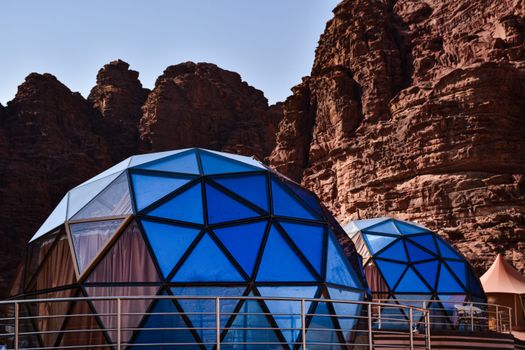
Architects and designers are now blending form and function, creating tents that are both visually stunning and meticulously engineered for comfort. Popular designs include safari tents, yurts, geodesic domes, and A-frame cabins—each offering unique aesthetics and structural advantages. Advances in materials, insulation, and modular construction have made it possible to provide year-round comfort in a variety of climates.
Moreover, personalization has become a key trend. Luxury glamping providers are collaborating with designers to offer fully customized interiors, from hand-stitched textiles to curated artwork and bespoke furnishings. This evolution has set a new standard: guests expect not only shelter but an experience that rivals boutique hotels.
Eco-Conscious Materials and Sustainable Construction
As travelers become more environmentally aware, sustainability has become a driving force in glamping tent design. According to a 2022 Booking.com survey, 81% of global travelers say sustainable travel is important to them. Responding to this demand, manufacturers and glamping operators are prioritizing eco-friendly materials and construction methods.
Key trends include:
- Use of organic and recycled fabrics for tent covers and interiors - Timber frames sourced from responsibly managed forests - Natural insulation materials like wool, hemp, and cork - Solar panels and off-grid water systems integrated into tent structuresFor example, the "Eco-Lux Tent" model from a leading European supplier boasts a 100% recycled polyester canvas, a bamboo frame, and a green roof planted with native wildflowers. These innovations not only reduce environmental impact but also create a healthier, more pleasant atmosphere inside the tent.
Furthermore, some glamping sites are employing modular, low-impact foundations, such as raised platforms or screw piles, which minimize disturbance to the land and allow for easy relocation or restoration of the natural site. The result is a more sustainable form of tourism that aligns with the values of modern travelers.
Smart Technology and Seamless Connectivity
While glamping is rooted in a desire to reconnect with nature, guests increasingly expect the convenience of modern technology. Tent designs are now incorporating smart features to enhance both comfort and safety.
Popular technological integrations include:
- Automated climate control systems - Solar-powered lighting and charging stations - Keyless entry and smart locks - Integrated sound systems and Wi-Fi connectivityFor instance, several high-end glamping resorts now offer tents equipped with voice-controlled smart hubs, allowing guests to adjust lighting, temperature, and music without leaving their beds. In a survey by Kampgrounds of America, 38% of glampers cited reliable Wi-Fi as an important factor in their choice of accommodation.
However, designers are careful to ensure that these technologies do not detract from the natural ambiance. Many solutions are subtly integrated—such as hidden cable routing and discreet solar panels—so that the tent’s aesthetic remains harmonious with the surrounding landscape.
Wellness-Focused Features and Biophilic Design
Wellness tourism is experiencing exponential growth, with the Global Wellness Institute estimating the market at $639 billion in 2023. Glamping tent design is increasingly reflecting this trend, with features specifically aimed at promoting relaxation, mindfulness, and a connection to nature.
Biophilic design—an architectural approach that integrates natural elements into living spaces—is gaining popularity in glamping tents. This may include:
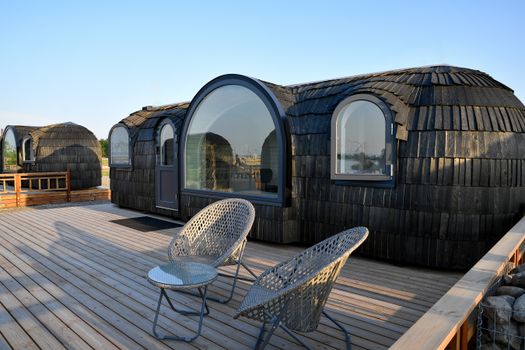
- Large, panoramic windows or skylights for stargazing and daylight - Indoor-outdoor baths or rain showers - Use of natural, tactile materials like wood, stone, and linen - Private decks with hammocks, yoga mats, or meditation nooksSome tents even include wellness amenities such as infrared saunas, aromatherapy diffusers, or in-tent massage tables. For example, a glamping resort in Sweden offers tents with open-air soaking tubs and floor-to-ceiling glass walls, allowing guests to unwind while immersed in forest views.
These design choices not only enhance the physical comfort of guests but also support their mental and emotional well-being—key drivers of satisfaction in the glamping experience.
Flexible Modular Layouts for Custom Experiences
Flexibility is becoming a hallmark of modern glamping tent design. Modular layouts allow operators to adapt spaces to different guest profiles or changing needs throughout the season. This trend is especially prominent in family-friendly and group-oriented glamping sites.
Key features of modular and flexible designs include:
- Removable or sliding walls for customizable interior space - Interconnected tents or pods for larger groups - Convertible furniture (e.g., beds that become sofas, fold-away tables) - Optional add-ons like private bathrooms, kitchens, or extra sleeping podsThis approach not only accommodates a broader range of guests—couples, families, solo travelers, or corporate retreats—but also allows operators to maximize occupancy rates and revenue.
Below is a comparison of traditional tents and modern modular glamping tents:
| Feature | Traditional Tent | Modern Modular Glamping Tent |
|---|---|---|
| Space Customization | Fixed layout | Adjustable walls, expandable areas |
| Facilities | Sleeping only | Living, dining, wellness, and sleeping areas |
| Seasonal Adaptability | Usually 3-season use | All-season with insulation and climate control |
| Group Accommodation | Single family or couple | Pods or connected units for groups |
| Investment Cost | Low | Medium to high |
Designing for Distinctive Local Experiences
One of the most exciting trends in glamping tent design is the focus on creating a strong sense of place. Rather than using a one-size-fits-all approach, many operators now commission tents inspired by local architecture, history, or ecology.
Examples of this trend include:
- Tents modeled after Mongolian yurts in Central Asia - Canvas lodges with Maasai tribal motifs in East Africa - Safari tents with colonial-era decor in South Africa - Pods shaped like traditional Alpine chalets in EuropeThe interiors and exteriors are often decorated with locally sourced materials, artworks, and handicrafts. This not only supports regional economies but also provides guests with a richer, more immersive experience that goes beyond “just” glamping.
Furthermore, some sites collaborate with local chefs, wellness practitioners, or outdoor guides to offer on-demand experiences right at the tent—such as private dining, guided hikes, or forest bathing sessions. This integration of design and service creates a seamless, memorable stay that resonates long after the trip ends.
The Future of Glamping Tent Design: Elevating Outdoor Hospitality
The latest trends in glamping tent design signal a shift toward more personalized, sustainable, and technologically enhanced outdoor experiences. As the market continues to grow—with a projected annual increase of 10.9% through 2030 according to Allied Market Research—expect further innovation in this space.
For guests, these design advancements translate to greater comfort, deeper connections with nature, and a sense of luxury previously reserved for high-end resorts. For operators and designers, staying ahead of these trends is key to standing out in a competitive landscape and exceeding guest expectations.
Whether you’re a seasoned glamper or considering your first luxury camping adventure, the tents of tomorrow promise not just a place to rest, but an experience to remember.